
For a while this week, Microsoft went down.
Emails stopped. Meetings disappeared. People could not reach the documents they needed to do their jobs. Across businesses and public institutions, a great many people were once again reminded just how much of their working life depends on one company.
The outage had nothing to do with AI. But while people were waiting for Microsoft to come back, I could not help but agree with myself again that we don’t need it. Sounds contradictory. But hear me out.
Microsoft is going down.
Not because of one outage and probably not tomorrow. But because the world around it is changing, while much of its power still comes from being built into the way we have always worked.
For years, Microsoft has been able to put its version of someone else’s idea in front of millions of users simply because those users were already inside its system. Just think of Teams. Clunky and frustrating. Yet countless organisations use it because it arrives as part of a package they are already paying for. The way Microsoft bundled Teams with its other products even led to a European Commission investigation.
Copilot, same thing. It sits inside the same environment. Perhaps some people like it. I have tried to use it many times … don’t get me started.
And here comes the advantage of our current time. Your product does not need to be the first thing people would choose. It needs to be there where they want to be…
The world in which we organise our work around separate applications is already gone. We just have not all noticed yet.
Many people (not me) still open Word to write, Excel to calculate and PowerPoint to present because that is how we have been taught to work. But now? I start with what I want to do. I can ask a system to help me explore an idea, analyse information, build something visual or prepare a presentation. The document, spreadsheet or slide becomes a function within that process.
Microsoft may still make money from the infrastructure underneath it all. It may even adapt in the future. But its familiar place at the centre of our working lives is far less permanent than its size suggests.
THAT I find exciting.
I love what AI lets me do
I have more ideas than I have time, technical skills or resources to bring to life. For a long time, that meant many of them remained exactly where they started: in my head, in a notebook or in a conversation that ended with “we should really do something with that”.
AI has changed that for me.
I can take a half-formed thought and pull it apart. I can test an argument, explore a subject I do not understand, challenge an assumption or find a way to give an idea a form that other people can respond to. I can develop a website, a visual or a project concept without first having to assemble a team of specialists.
That does not mean everything I make is good. It does mean I can take more ideas far enough to find out.
For someone who loves thinking about possibilities, that is a remarkable development.
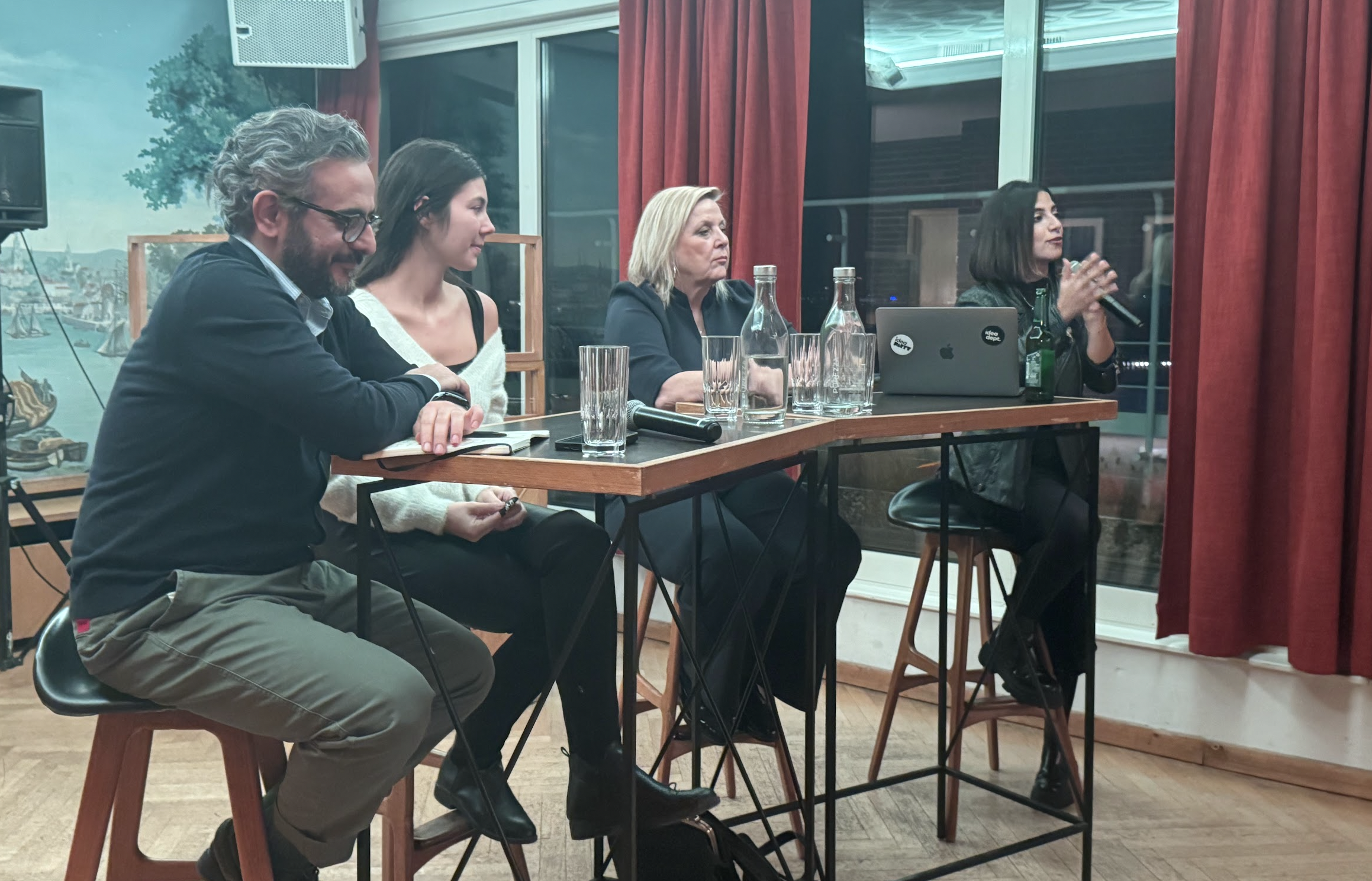
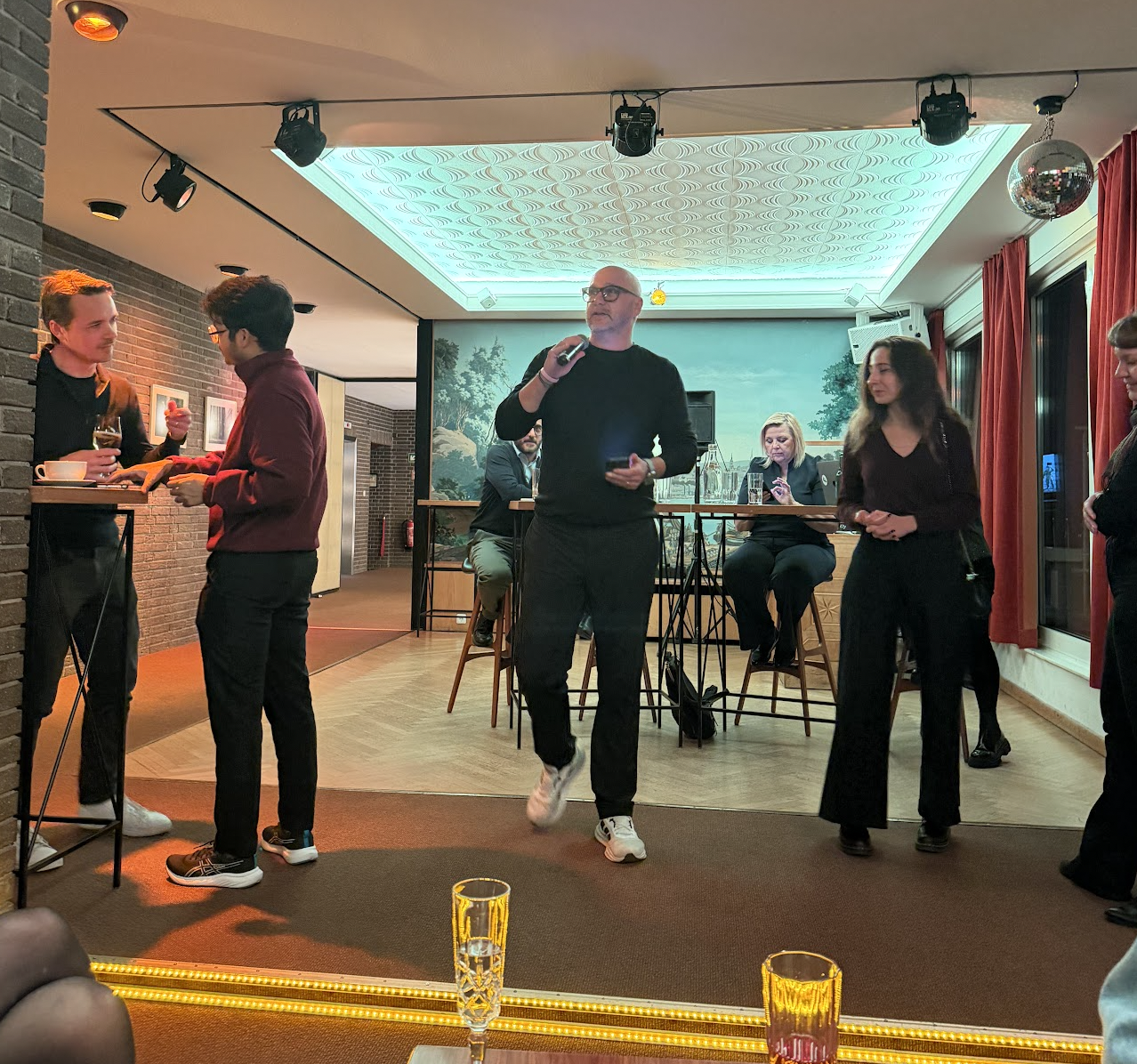
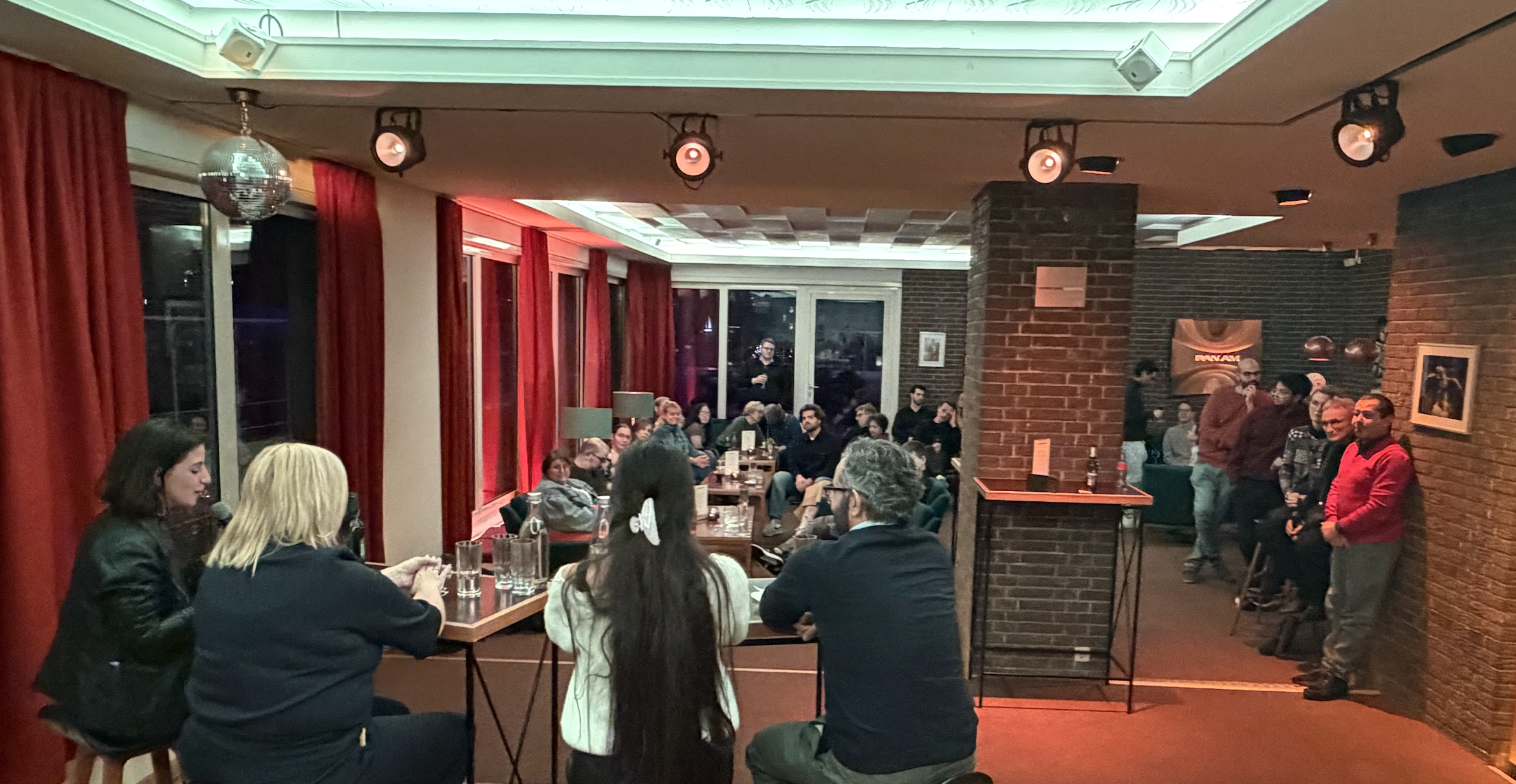
Which brings me to an uncomfortable question we recently asked at an Idea Department event in Berlin.
Borrowed words
At Borrowed Words: Will AI Make Us Lose Our Own Voice?, we discussed what happens when a machine can write almost anything for us. Where does assistance end and substitution begin? What happens when the words on the page are fluent, convincing and no longer quite ours?
The concern reaches beyond writing.
Sometimes I do not know what I think until I try to put it into words. I start a sentence, realise it does not make sense, try another and discover that the argument I thought I had was not quite the argument I wanted to make.
With AI, I may get a perfectly presentable answer before I have done any of that work. The words will be there. The argument may even be better organised. But making sure it says what I actually think is on me. And me alone.
That can be slow and irritating. But it is also thinking.
And then there is Marx
I did not expect Karl Marx to make his way into an article about why I love AI. As someone who grew up in East Germany, I deeply reject his vision and consider it harmful and dangerous. I have no desire to rehabilitate it.
Still, there is an aspect of Marx’s thinking that connects with how I think about creativity. As I understand his dialectical materialism, our ideas do not appear out of nowhere. They emerge from the material world we live in: the problems we encounter, the work we do, the tools we use and the conditions under which we live. Our ideas can then change that world, which in turn changes the conditions for the next set of ideas.
I can find that thought useful without accepting his conclusions about how society should be organised.
AI is now changing some of those conditions. It changes what an individual can make, how quickly a thought can be explored and who gets access to skills that once belonged to specialists.
What kind of ideas will emerge from that? And what happens if the same tool that opens up these possibilities becomes the place where we go for all our answers?
The physical space for ideas
Now combine that with another observation. In Walter Isaacson’s biography of Leonardo da Vinci, he describes how ideas emerge when people with different interests meet. At the court of Ludovico Sforza, Leonardo found friends whose different passions could spark new thoughts. Benjamin Franklin started a club where interesting people in Philadelphia met on Fridays. Steve Jobs wanted buildings with a central atrium where people might run into one another.
Different centuries, different people, different places. In each case, the encounter mattered.
Someone brings a problem. Someone else sees it differently. A third person makes a connection neither of them expected. An idea changes because it meets another mind.
Leonardo had the court in Milan. Franklin had his club. Jobs thought about the design of buildings.
AI can expose me to ideas I might not otherwise encounter. It can also help me explore a question and prepare for a conversation. I would almost go as far as saying it can emulate the physical space I just described.
Perhaps the places where ideas meet are already there. Perhaps they are online communities, dinners, shared workspaces, long conversations between people who disagree or something we have not yet invented. Perhaps some will involve AI and others will be places where we put it away.
In a digital, decentralised and AI-driven world, where do we find the people and the places that make us think something we would not have thought on our own?
If Microsoft solves that question, I will be their friend again.